No prior experience necessary and lessons may begin at any time!
It is never too late to pick up an instrument and start learning.
The most traditional and effective way to study a musical
instrument is through private lessons. Private lessons give students the
opportunity to enjoy one-on-one instruction with the flexibility of
individualized scheduling.
Our teachers can start you from the beginning or build on what
you have already learned.
Teachers
construct lesson plans to fit your learning style and to help you meet YOUR
musical goals. Lessons meet once a week for thirty or sixty minutes.
We have six music studios for the variety of instrumental and
vocal lessons we offer.
Each studio is equipped
with the necessary tools for a student to realize their ultimate musical
potential. Studios contain amplifiers, cd players/recorders, keyboards, drums,
PA systems and are sound proofed and tuned to be kind to the ear. We believe
that a proper atmosphere must be created for the instructor and student in
order for them to get the most of their lessons together.Check out our music rooms
The JamStage lounge is available for both students and parents to
relax during their time in our studio.
The lounge is
set up with a flat screen tv, leather couches, a kitchenette, vending machines
and a full library of magazines to make sure everyone is comfortable. Check out the JamStage Lounge
DUE TO COVID WE ARE NOT DOING MUSIC LESSONS AT THIS TIME.
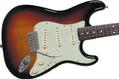
Guitar
From learning basic chords and solos to advanced theory and
techniques JamStage can teach you what you want
to learn. $19.99 per half hour session.
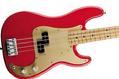
The bass is the foundation of the band. JamStage can get you on the road to play everything from slapping funk to jazzy walking lines and everything in between. $19.99 per half hour session.
Are you into into metal, funk, rock, jazz, or R
& B? It does not matter the type of music JamStage is the place where you can learn to keep the beat. $19.99 per half hour session.
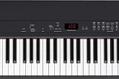
At JamStage we take keyboards seriously. Whether you want to learn classical styling, Jazz comping or to play Don't Stop Believing like a pro JamStage will get you there. $19.99 per half hour session.
Uncover your vocal skills and develop your musicianship with one of our vocal coaches. No matter the style JamStage can help you build your confidence and reach you vocal goals. $29.99 per session.
A GOAL ORIENTED CURRICULUM
CREATED BY YOU
JamStage's curriculum is created by the student and the instructor. Your goals are our goals.
BAND & JAM OPPORTUNITIES JamStage always recommends supplementing private lessons with
real–life playing experience. That's why we make it easy, educational
and affordable to jam with other musicians and to join a band.
A MODERN STUDIO COMPLEX
JamStage's 5,000 sq. ft. (soon to be 10,000 sq. ft.) studio complex features a lounge area, rehearsal studios, snack bar, and performance areas. Each lesson room is a professionally equipped music studio.
MULTIPLE PAYMENT OPTIONS JamStage accepts multiple forms of payment, and offers
easy automated billing for recurring students. JamStage's easy "pay as you go" billing does not require you to pay for all your lessons in advance. EASY SCHEDULING At JamStage we make it easy to schedule a lesson.